
FAQ
Health & Wellness
Many of South America’s popular destinations sit at high altitude — including Cusco and Puno in Peru, La Paz in Bolivia, and Quito in Ecuador — so altitude sickness is a common concern for travelers.
On your first day, take it easy: avoid strenuous activity and overeating, drink plenty of water, and give your body time to adjust. If you have any pre-existing health conditions or concerns, we recommend checking with your doctor before you travel and bringing any medication you might need.
We can also build your itinerary to include a gradual increase in altitude, giving your body more time to acclimatize. Just let us know if you’d like this option — we’re happy to help you plan a trip that fits your comfort level.
Tap water isn’t safe to drink in most South American countries, so it’s best to stick to bottled water throughout your trip.
At restaurants, ice and raw vegetables (like salads) are sometimes prepared with tap water, so if you have a sensitive stomach, it’s worth being a little cautious when ordering.
Bottled water is easy to find, though — it’s sold at supermarkets, stores, and hotels pretty much everywhere, so you won’t have any trouble staying hydrated.
If you’re only visiting major cities, vaccinations aren’t required in most countries.
However, if you’re planning to visit Amazon regions in Bolivia, Brazil, or Peru — such as Iquitos or rainforest tours — a yellow fever vaccination is often recommended, and in some cases required. Since it takes time for the vaccine to take full effect, we recommend consulting a doctor or travel clinic about a month before your trip if you’ll be visiting these areas.
If you’re traveling through multiple South American countries, some border crossings may ask for certification of yellow fever vaccination. If you have any health concerns or pre-existing conditions, please check with your doctor or a travel health clinic as you plan your trip.
Many of South America’s most popular sites — like Machu Picchu in Peru, the Uyuni Salt Lakes in Bolivia, and Iguazu Falls in Brazil and Argentina — involve slopes, stairs, or uneven terrain. Machu Picchu, for example, has a lot of stairs and elevation changes within the site, so it does require a fair amount of walking. That said, we can arrange routes suited for travelers using a wheelchair or cane.
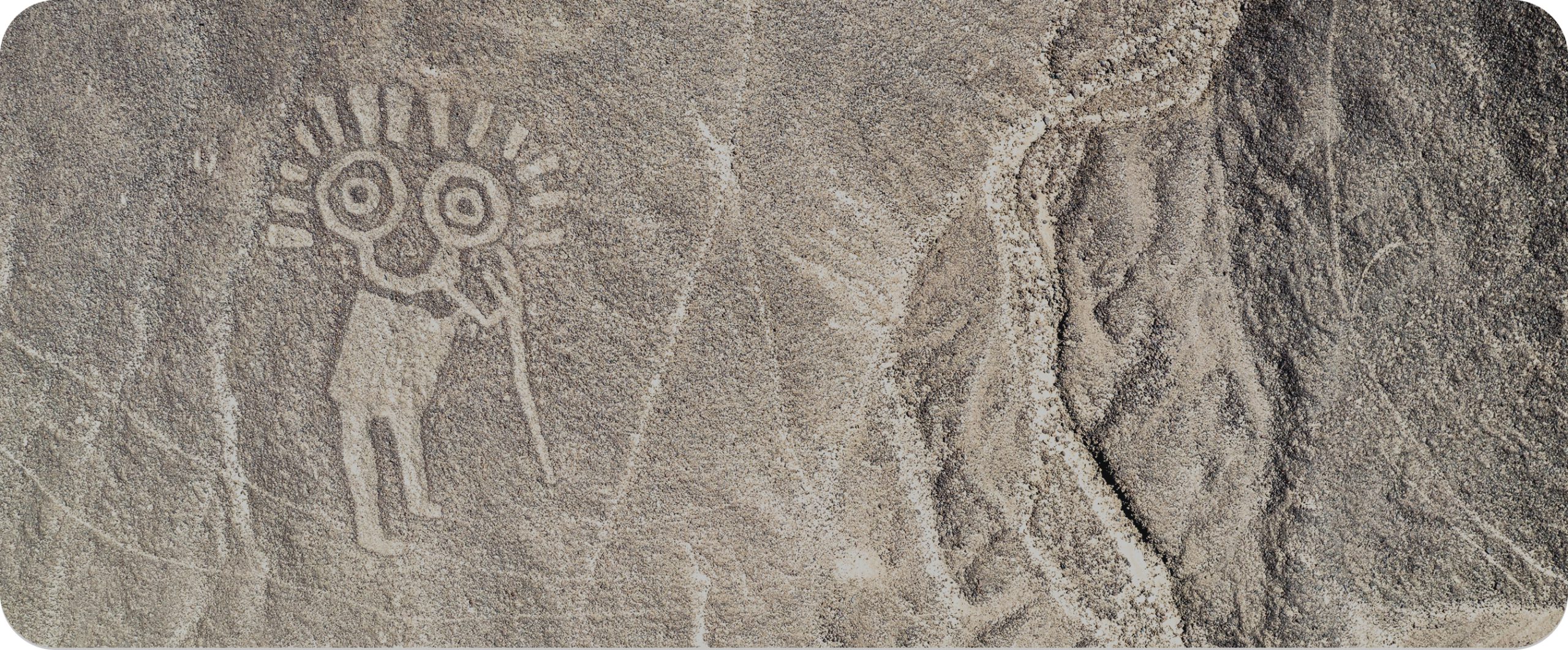
There are also destinations that require very little walking, such as the Uyuni Salt Lakes or the Nazca Lines (viewed by small aircraft), so if mobility is a concern, we can build your itinerary around sites like these instead.
Since our tours are private, you’re always free to move at your own pace, whatever your comfort level. Just let us know about any concerns before your trip, and we’ll design a relaxed, personalized itinerary around what works best for you.
Safety & Security
Safety can be different from place to place. In busy tourist areas, small crimes like pickpocketing can happen, so it’s good to stay alert. Most problems happen in crowded spots, or when people aren’t watching their bags.
On our tours, we do everything we can to keep you safe. We choose hotels in safe areas, use private vehicles to get around, and have an experienced guide with you at all times.
When you’re out on your own, here are a few simple tips: don’t carry too many valuables, try to avoid walking alone at night, and don’t carry a lot of cash. If you ever feel unsure about something, just ask your guide — they’re always happy to help. So relax, and enjoy your trip!
Our head office is in Lima, Peru, and we work closely with guides and local staff all across South America. This means we can respond quickly if any problems come up during your trip.
English-speaking staff and guides are with you the whole way, so you never have to worry about a language barrier — help is always close by.
Packing & Preparation
The weather in South America changes a lot depending on where you go, so it helps to pack based on your specific destinations.
Andean highlands (Cusco, Puno, La Paz, etc.)
These areas are high up, and it can get warm during the day but very cold at night. It’s best to bring layers you can add or take off as needed.
Coastal cities (Lima, Santiago, etc.)
The weather here is usually mild, but it changes with the seasons (remember, seasons are reversed here compared to Japan). Comfortable clothes and a light jacket should be enough.
Amazon region (Iquitos, rainforest tours, etc.)
It’s hot and humid, with lots of insects, so long sleeves and long pants are a good idea. Quick-dry fabrics and insect-repellent clothing can help too. Don’t forget rain gear, like a raincoat.
Once you know which areas you’ll be visiting, we’re happy to give you more specific packing advice.
We recommend exchanging your home currency for US dollars before your trip. US dollars are easy to exchange throughout South America, and in some places, you can even use them directly to pay.
Local currencies — like the Peruvian Sol, Bolivian Boliviano, Argentine Peso, and Brazilian Real — can be exchanged at airports, exchange offices, or banks.
Just ask your guide, and they’ll point you to a place to exchange money nearby.
Credit cards work at most hotels, restaurants, and gift shops in major cities.
Visa and Mastercard are accepted almost everywhere. Before you travel, it’s a good idea to check with your card company to make sure your card works abroad, and to check your spending limit too.
In smaller towns or local markets, some places only take cash, and some may add an extra fee for card payments. So it’s smart to carry some cash with you, just in case.
Outlet types and voltage vary by country in South America, so it’s worth checking before you go.
Voltage: Most countries use 220V (like Peru, Argentina, and Chile), while Brazil uses a mix of 110V and 220V depending on the region. If your home country uses a different voltage, some electronics may need a converter. That said, most phone and laptop chargers can handle 100V–240V, so they’ll usually work fine without one — just check the label on your charger to be sure, and bring a converter if needed.
Plug types:
Type A / Type C: Peru, Bolivia, and others
Type C / Type L: Argentina, Chile, Uruguay, and others
Type C / Type N: Brazil
Since plug types differ by country, it’s a good idea to bring a universal adapter that covers multiple types. Some hotels have universal outlets, but we still recommend packing your own adapter just in case.
Once you know which countries you’ll be visiting, we’re happy to give you more specific advice — just let us know!
Additional Services
Spanish is the main language in South America (Portuguese in Brazil). Some staff at airports and hotels in bigger cities speak English, but it’s not guaranteed everywhere, especially outside major cities.
That said, our staff will help you plan your trip in English, and an English-speaking guide will be with you throughout your tour — so you won’t have to worry about talking with locals, sorting out plans, or handling any issues that come up.
Some parts of South America may need a bit more caution compared to other regions.
That said, our tours are designed with safety in mind — we use private vehicles, have experienced guides with you, and stay at hotels in safe areas. Because of this, solo travelers and women traveling alone can feel comfortable joining our tours.
If you’re heading out at night or exploring on your own during free time, it’s a good idea to check with your guide about the local area first.
Tipping isn’t mandatory in South America, but it’s common to give a small tip as a way of saying thanks for good service. The usual amount can vary a bit depending on the country and the situation.
It’s easiest to tip using small bills, either in local currency or US dollars, so it helps to keep some smaller cash on hand.
Let us know which countries you’ll be visiting, and we’re happy to share typical tipping amounts for each one.